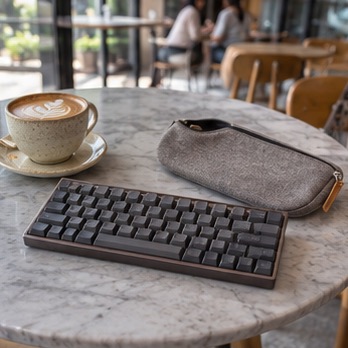
The quiet keyboard buying guide
A good late-night keyboard starts with the right switches, a steady spacebar and a desk that doesn't amplify every keystroke.
Layouts, switches and everyday typing gear for desks of every size.
A good late-night keyboard starts with the right switches, a steady spacebar and a desk that doesn't amplify every keystroke.
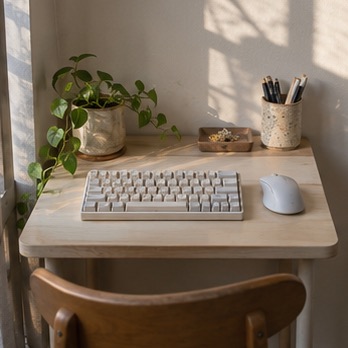
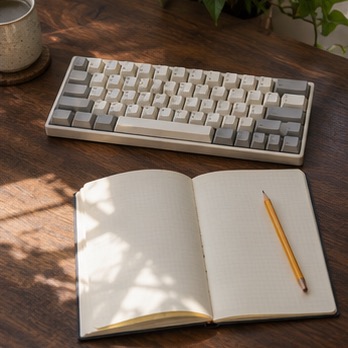
Choose a compact layout by watching what your hands do during work, editing and play.
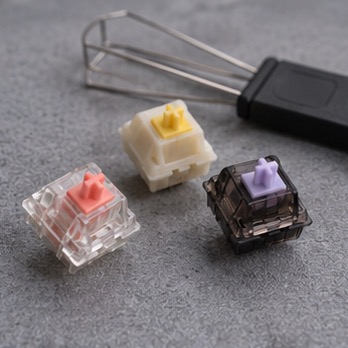
A small sampler can save a full-box purchase if you test it the way you actually type.
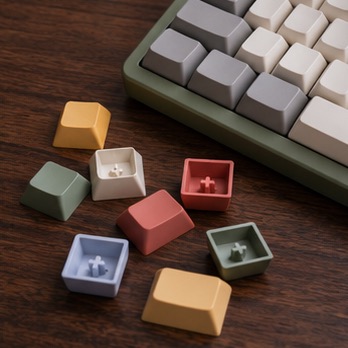
Work through the switch mount, regional layout and unusually sized keys before buying a replacement set.
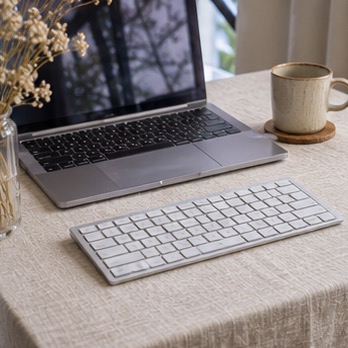
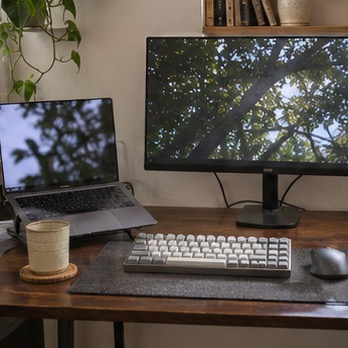
A slimmer board can make sense for laptop users, travelers and shallow desks. Compare the front edge and the keys together.
Compare multi-device pairing with a USB switch, and make sure the setup fits both operating systems.
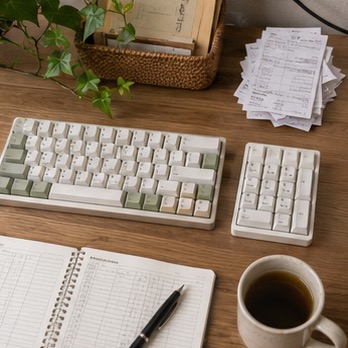
A detachable number pad can reclaim mouse space, while a full-size board suits a desk built around frequent number entry.
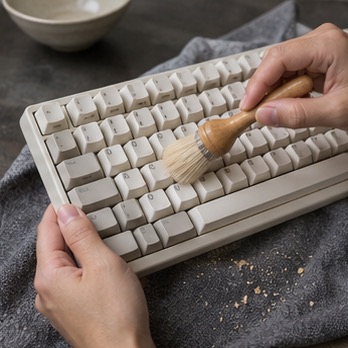
Start with a brush and a lint-free cloth. Save bigger purchases for the parts that are actually worn.
Move one awkward shortcut, learn where the setting lives and avoid paying for more programmable keys than you need.
Choose a travel keyboard by checking bag fit, real table space, sound and the first connection of the day.