One Desk Lamp for Evening Work and Video Calls
A lamp for both paper and calls needs to reach two different spots. Adjustability and a soft shade are worth checking in person.
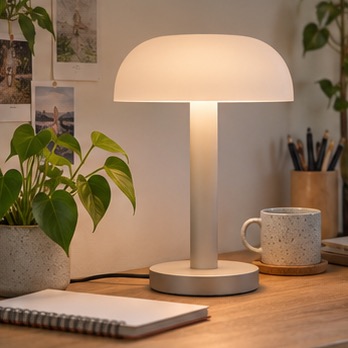
After dinner, you pull a notebook up to the monitor and join a call. The lamp helps you read the page, but its reflection fills your glasses when you look up. That small mismatch is a good reason to compare lamp designs.
A light for paperwork sits closer to the page. A light for a call can move higher and shine across your face. Look for a design you can reposition without moving the whole base or sweeping a hot drink off the desk.
Look for a head that tilts where you sit
A hinged arm gives you reach past a wide monitor and can clear the space needed for a notebook. A short gooseneck takes up less room if the lamp lives near the edge of the desk. Check whether that shorter reach still lets you aim the shade above your eye line when seated.
If you draw or write by hand, try placing the lamp opposite your writing hand. That keeps your hand from casting a shadow across the page. For calls, try moving the head to the side of the camera and use the preview to avoid reflections.
Choose soft light and familiar controls
A broad diffuser spreads the light across more of the page. A shade that hides the bright source from your usual seated angle can feel more comfortable than an exposed light. Look at photos of the underside and check that you can dim it from your normal position.
If the lamp offers adjustable color, compare the settings near your other room lights. A stable warm or neutral setting can make an evening workspace comfortable. Several color presets add little if you already know you prefer one and the lamp gives you usable brightness control.
Measure what will fit on the desk
A low-profile base is easy to slide and move when you change the desk around. A clamp leaves more room in front of the screen if the desk has a clear, sturdy edge of suitable thickness. Check that the arm’s full movement will clear any shelves above the desk.
For a shared surface, choose controls everyone can find in low light. A physical dimmer or on/off button is easy to reach and avoids opening an app for an adjustment you make several times a day.
Related guides
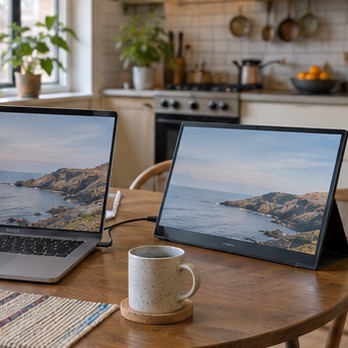
Is a Portable Second Monitor Worth Carrying?
Measure the whole kit and check the video path first. A portable display pays off when it solves a recurring delay away from your regular desk.
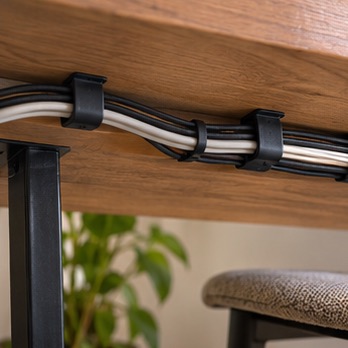
Cable Management for a Rental Desk
Tidy a rented desk with reusable ties, a compact tray, and repairs you can do without leaving screw holes.
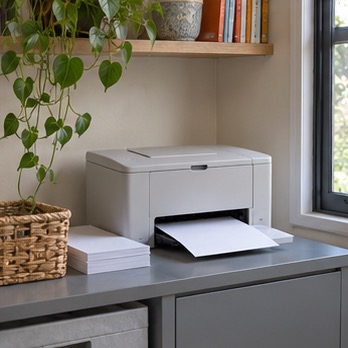
A Home Printer for the Pages You Actually Print
Shipping labels and school worksheets call for different features than photo projects. Look at your last few print jobs before buying.