Running earbuds for sidewalks, parks, and rainy mornings
Choose a fit you can trust on the move and controls that make sense on the route you actually run.

An earbud that behaves on the couch can slip after a mile, especially if a hat band presses the top of your ear or your hands are too wet for touch controls. Think through how you start and finish each run, from the first street crossing to where you put the earbuds when you come home.
If you run where other people and vehicles pass, choose a fit and listening mode that lets you stay aware. An open-ear design can give surrounding sound a direct path. A sealed pair with an ambient mode may suit occasional treadmill sessions as well, though switching modes adds another step.
Compare the ways earbuds stay in place
An over-ear hook can make a loose earbud feel more secure on uneven ground. Try it with your sunglasses, since both need the space above the ear. A stabilizer fin inside the outer ear can help if hooks interfere with the arms of your glasses. Smaller stem-style buds can be comfortable when a cap covers the ear, but buy from a seller with a return policy that lets you test the fit while moving.
Walk quickly, turn your head, and talk without adjusting the fit. A pair that needs to be reseated repeatedly during this check will probably be annoying on a longer loop. Try different tip sizes for each side if the model supports them.
Look at the parts that get wet
Read the manufacturer's description of sweat and water resistance for both earbuds and charging case. They can have different ratings. A pair intended for sweaty workouts can still require drying before it goes back in the case. Think about where you will store the case on a rainy route and whether the pocket protects it.
Try control buttons or gestures while wearing the gloves you normally run in. A physical button is useful if it lets you pause or change volume reliably, though a stiff button can push the earbud deeper. One well-placed pause control may be enough if you make playlists ahead of time.
Spend on the failure you want to avoid
For a neighborhood loop, prioritize secure fit and accessible controls. For regular indoor workouts with occasional street running, prioritize a simple way to move between isolation and ambient listening. If most runs are short, a bigger charging case or extra battery reserve has less day-to-day value than a pair you can put on quickly and forget about.
Further reading
Related guides
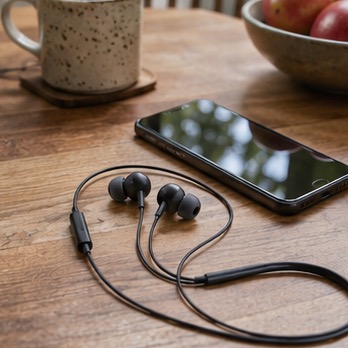
USB-C wired earbuds or a headphone adapter?
A small purchase can keep your favorite wired headphones useful. Match the port, microphone, and case first.
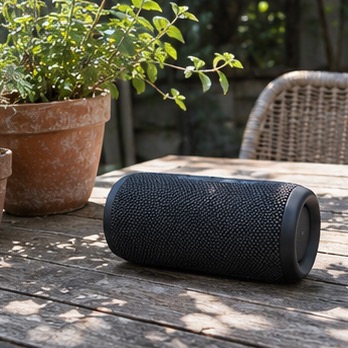
A small Bluetooth speaker for the kitchen and patio
Look for useful volume, a place to put the speaker, and controls you can find while your hands are busy.
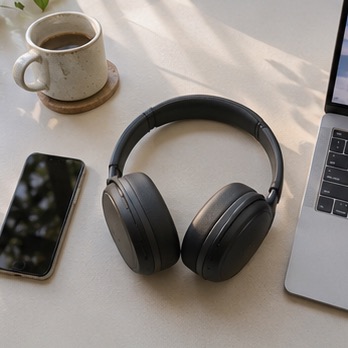
Multipoint headphones for a phone and work laptop
A good two-device setup follows the calls and media you use all day. Here is what to verify before paying for it.