Choosing a carry-on power bank you’ll actually pack
A battery for one long travel day should fit the way you carry, charge, and board.
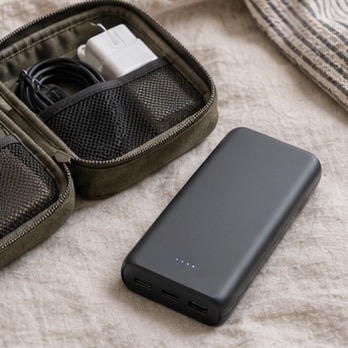
A delayed connection can turn a quick trip into a long day of boarding passes, transit maps, and messages. A small power bank can keep the phone available through the last leg. The useful one is easy to reach when the tray table is down and easy to tuck away when the plane lands.
Think about what runs low first. A phone that needs a late-afternoon boost calls for a different battery from a tablet used for several hours of work. If you have predictable access to a wall outlet, a smaller bank plus a regular wall adapter may distribute the weight better than one large pack.
Buy for a day of use
Compare the physical dimensions with a pocket you already use. A thick bank that only fits in the bottom of a backpack will spend the trip there. For a phone, prioritize a size you can carry into a station or around a city. Choose a larger pack if you regularly need to share it with another device or spend long stretches away from a socket.
Skip claims that promise a specific number of full charges unless the seller explains the model and conditions. Capacity labels alone don’t say how much energy arrives at the phone. The practical question is whether the battery can get you through the gap between accessible outlets.
Find the watt-hour label
For travel subject to U.S. FAA rules, power banks belong in the cabin. Check the FAA guidance for capacity restrictions and check the carrier’s rules for every leg. Airlines may have their own rules about quantity, storage or use in flight. Choose a model with a clear watt-hour marking so you can answer questions about capacity at the airport.
Keep the bank somewhere you can reach if asked to gate-check your carry-on. Move it into your personal item before the bag is taken. If your current pack is subject to a recall, check the manufacturer’s instructions and choose a different one for the trip.
Pick a port arrangement you can use
Check whether the USB-C port on the exact model both recharges the bank and supplies power to your device. For travel with two devices, look up the shared output. An integrated cable trims the packing list, while a replaceable one is easier to swap if it wears out. If the bank spends most of its time in a bag pocket, a short removable cable can keep the setup tidy.
Further reading
Related guides
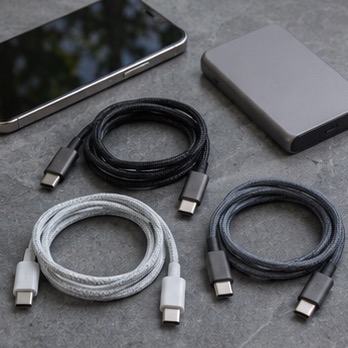
Which USB-C cable do you need for charging or data?
Match the cable to the job before paying for extra bandwidth or carrying another adapter.

When a magnetic wireless charger is worth buying
A stand, a puck, and a cable solve different charging problems. Choose around the spot where your phone spends the most time.
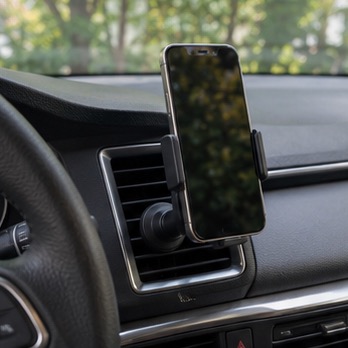
A short cable can fix a messy wired CarPlay or Android Auto setup
Find the right vehicle port and take a look at the cable before replacing anything expensive.